MARCH
March Gardening Tips & Monthly Plant Care Guide
March marks the beginning of spring garden activity in Kansas and surrounding regions. The month is full of fluctuating temperatures, new growth emerging, and a long list of important lawn and garden tasks to complete. March sets the tone for a successful growing season, so use this gardening guide to take proactive steps to ensure your landscape thrives through spring and summer.
Lawn Care
Control Perennial Broadleaf Weeds - Although its best control with a September or October application, you may treat broadleaf weeds on a day with temperatures are around 50°F in the afternoon so the product has time to dry.
Crabgrass Prevention - Apply a crabgrass preventer before soil temperatures reach 55°F for several days in a row, as that is the ideal environment for crabgrass to germinate. A soil thermometer can help determine the best timing or you can check current soil temperatures in Kansas at Kansas Mesonet.
Overseeding Lawn Bare Spots - March and April are good times to seed bare or thin areas of Kentucky bluegrass and fescue. Avoid seeding where crabgrass preventer was applied, as it can inhibit grass seed germination.
Mower Maintenance - Pull the mower from winter storage, give it an oil change, drain old gas, check filters and tires, and prepare it for the season ahead. Mow the lawn at 2-3 inches to help remove winter damage and chop left-over leaf litter.
Vegetable Gardening Tasks
Prepare your soil by removing leaf and mulch layers from vegetable beds and compost them, then apply a 1-2 inch layer of compost or well-rotted manure. Adding biochar or organic fertilizers is optional, but a soil test is always recommended before adding any fertilizer.
When soil temperatures at 2.5 inches reach about 45°F for five days, you can plant cool‑season vegetables such as:
- Potatoes
- Peas
- Onions
- Spinach
- Turnips
- Parsnips
- Lettuce
- Greens
- Kale
- Cabbage
- Cauliflower
- Broccoli
You can prepare and plant rhubarb crowns, asparagus, horseradish roots, and strawberries as well.
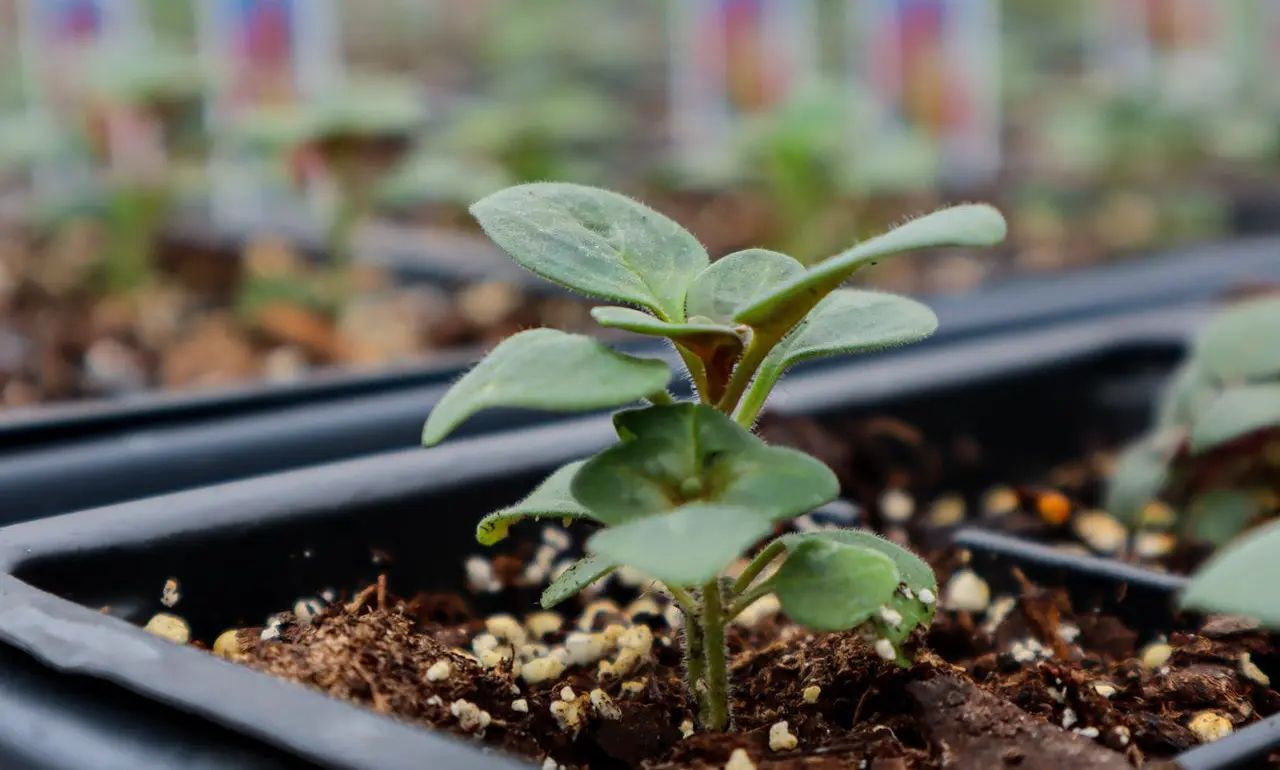
If you haven't already, start seeds indoors or in a greenhouse for summer crops like peppers, eggplant, tomatoes, flowers and herbs.
Fruit Care
- Continue Pruning - Fruit trees such a peach, aprivot, cherry, pear and apple can still be pruned at this time (although we recommend pruning in February!)
- Dormant Sprays - If your trees are pruned or in an off-pruning year, you can now apply a dormant oil or copper fungicide as needed. Apply dormant oil to apples and pears and copper to peaches and cherries. Apricots are more sensitive and typically do not need to be treated.
- Bramble Pruning - Brambles (blackberries and raspberries) can also be pruned at this time. See the post: Brambles-Growing Blackberries and Raspberries
- Strawberry Care - As your strawberries begin to grow, remove any mulch from the plants to increase airflow around them. Now is the time to add fertilizer, preferably a nitrogen source. Urea is recommended at 1/4 lb. per 1000 square feet. You can also apply compost or compost tea.
Flower Garden Care in March
Caring for Annuals
In Northeast Kansas, we begin planting cool-season annuals around the third week of March. It is essential to prep your soil ahead of time with fresh potting soil or compost. Our typical cool-season annuals include:
- Pansies
- Stock
- Snapdragons
- Ornamental Kale
- Nemesia
Caring for Perennials
- If you have not done so, cut back old perennial foliage to support native bees by leaving hollow stems at 12–18 inches where appropriate for native grasses and pollinator plants:
- Ironweed
- Joe Pye weed
- Goldenrod
- Asters
- Thistles
- Native grasses
- Bee Balm
- Remove old foliage completely from plants such as hostas, daylilies, iris, and other perennials shorter than 16 inches.
- Plant bare-root roses or perennials now that cleanup is done
- Divide perennials or ornamental grasses. Each division can fill holes or be shared with community gardens.
- Fertilize spring-flowering bubs such as daffodils, tulips, and alliums with bone meal, balanced bulb food, compost, or worm castings.
- To encourage new growth in evergreen and deciduous groundcovers, mow at about 2 inches, then bag or mulch the debris.
Trees and Shrub Care
Mulching – Add organic mulch around trees and shrubs at about 3–4 inches deep, keeping mulch away from trunks and stems. Expanding mulch outward to the dripline is recommended where possible. You can always plant annuals, perennials, or groundcovers under the tree to make soft landings.
Planting New Trees and Shrubs – This is a suitable time to plant, provided the soil isn’t too muddy.
Remove Tree Wraps – Take off fall‑placed tree wraps to allow air movement and sunlight to reach trunks.
Check Tree Stakes – Examine stakes and determine if they need moving, re‑staking, or removal. Stakes should not remain in place more than one season.
Pruning Shrubs
Prune summer-flowering shrubs such as:
- Japanese spirea
- Rose of Sharon
- Beautyberry
- Caryopteris
- Buttonbush
- Dogwood
- Ninebark
- Smokebush
- Diervilla
- Smooth hydrangea
- Panicle hydrangea
- Shrub roses
- Elderberry
- Snowberry & Coralberry
- Vitex
- Weigela
These shrubs, except panicle hydrangea, buttonbush, and shrub roses, can be cut back hard, nearly to the ground or around 4 - 6 inches tall. They will grow back and flush our with new stems before flowering in later spring and summer.
Other March Gardening Chores
Even though we are nearing the end of the winter, a lot of elderly still have cabin fever. Give the gift of houseplants, bird feeders with feed, bird nest boxes (bluebird, robin, owl, wood duck), or early planted spring annuals!
It is a good time to sharpen pruners, chainsaw chains, hoes, mower blades, and other sharp tools, then oil them to prevent rust.