Here in the Central Great Plains region, we have a long tradition of orchard plantings. Even though Kansas is no longer known for its fruit, it once was a hub for apples and other fruits. In the late 1800s Kansas and Missouri dominated the apple production markets with varieties that are now considered quaint heirlooms, such as Ben Davies, Arkansas Black, and Orange Pippin. But what changed was not the weather or climate of the region, but the desire for uniform, glossy, long-shipping varieties that could last long in the market stall. Even today, that trend mostly holds true, though having your own orchard with heirloom fruits is growing in favorability.
When it comes to orchard planning in our region, there is a lot to think about. There are many types of orchard ideas floating around. Maybe you want to grow apples for cider making. Or maybe you want a plot of varied fruits to supply your family with fresh and canned fruit throughout the year. Or maybe you want to have a fruit tree guild and provide multiple benefits to the landscape. There are many options.
Choosing a Type of Orchard
By definition, an orchard is a plot of land planted with fruit bearing trees. Other definitions also include nut trees, fruiting shrubs, and sugar maples. You do not have to follow a traditional plan for your own orchard, you can make it how you want. For example, I would call most of my backyard an orchard and a fruit tree guild just by their definitions, becuase it is both.
You do not have to choose to plant only fruit trees in an orchard. You can make of it what you will as you will. The most important thing is where, not what type.
Where to Put it...
If you are like me, then you would put fruit trees and bushes throughout the landscape, effectively making a fruit tree guild. But you do not have to do that. When you are planning you orchard location, think about the following things within your property's boundaries:
Are there large trees which might shade out an orchard? - If your answer is yes, then you may want to seek out a new location. Large shade trees on the north or west side, within 50 feet of an orchard are likely going to affect the amount of sunlight your orchard recieves. Very few fruit plants can take less than 6 hours of direct sunlight without affecting production.
Are there overhead power lines? - Power lines may or may not affect your ability to grow fruit trees. If they are the standard 30 foot tall lines, you may be able to plant semi-dwarf trees under them without concern. But you should make sure that any standard apple or pear trees are planted away from lines because they may need a more aggressive pruning plan to keep them short.
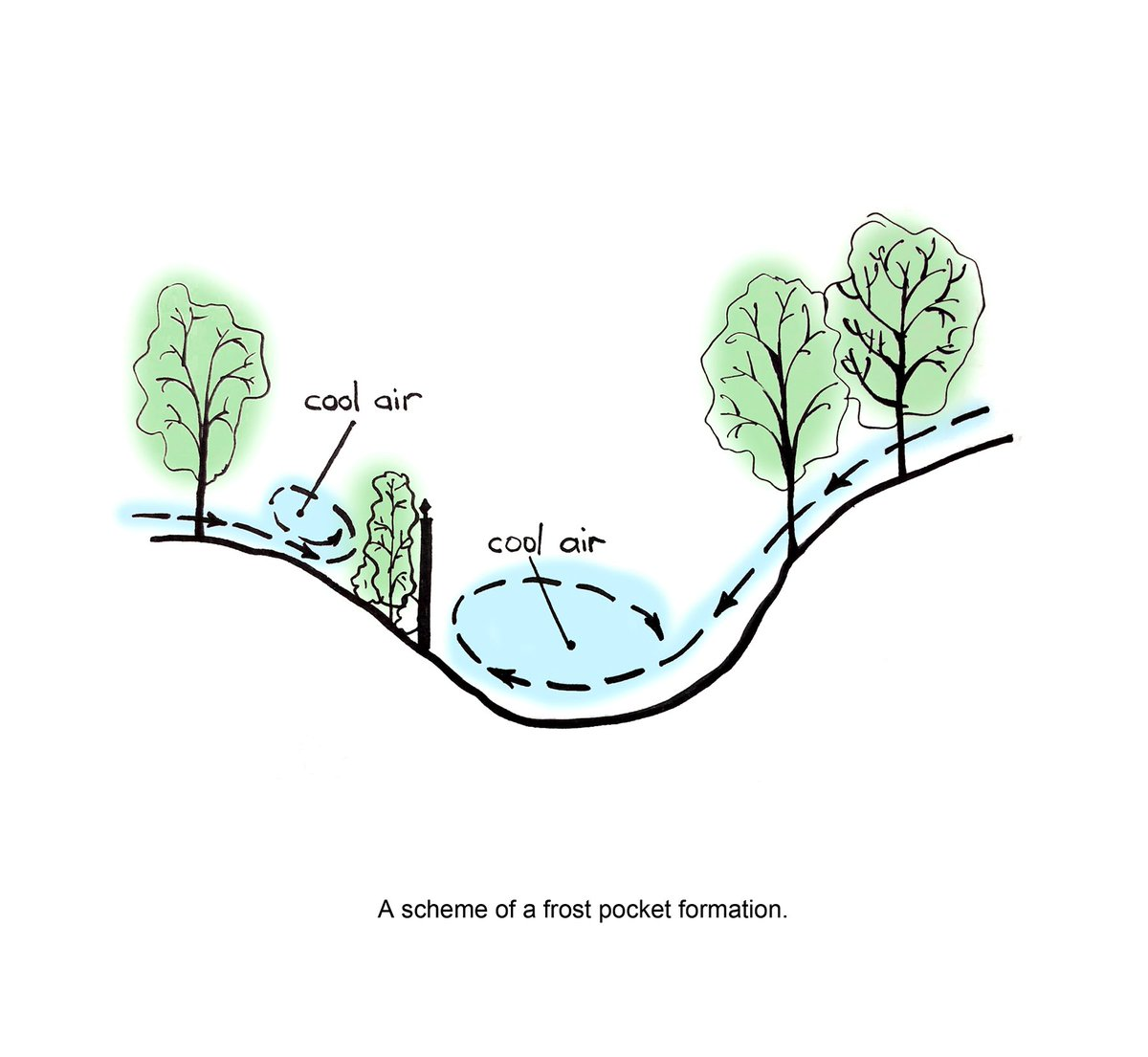
Is the spot on a slope, a hill, or down in a valley? - The lay of the land is very important when designing your orchard. If you are down in the valley or a low spot on the side of a hill, then you may be suspect to frost pockets, where a heavy frost can settle and damage flower buds, especially peaches, nectarines, and sweet cherries. It is less of a problem for plums, pie cherries, and pears, which are very cold hardy. Apples are in the middle, some varieties are more cold hardy than others. If you are up on top of a hill, prevailing winds might be a problem, causing leaning trees and branches, or making it difficult for pollinators.
What is the soil like? - If you do not know about your soil, then you are not ready to plant. What is the organic matter content? Are you lacking in nutrients? What is the microbiological level of the soil? If you are planting where an old feedlot was (as many farmers tend to do), where there any herbicides used in the lot or the hay which could affect the growth of fruit plants? A good soil test, one that checks organic matter as well as micro and macro nutrients in the soil is recommended. Once you have that, you can plan for what needs your soil has before and after planting.
What is your access to water? - Water is very important not only for establishing new fruit plants, but also for keeping them thriving during periods of drought or prolonged heat. If you do not already have plans to put a hydrant close to your orchard, do so. That is, unless you are close to the house or are planning on a different source for water such as a well, continually flowing stream, spring, or a pond. If near a pond or stream, plant to have it uphill from it, to prevent possible flooding out.
How close are you to crop land? - If you are within 200 feet of traditionally farmed cropland, you may be at risk from chemical drift. Damage from drift can cause stunting, petal drop, leaf distortions, and even death or plants. Fungicide drift can cause injury to pollinators, especially honeybees. And insecticides applies to crop land can kill pollinators outright.
What Kind of Fruit Should You Plant?
Once you have the location decided, you can start to think about what kind of fruit you want to add into your orchard. When it comes to choosing fruit, the limit is actually your hardiness zone. Some fruits do not do well in our region. Typically, we can grow a lot of fruit which can take the cold winters, and indeed, need cold winters. But there are many fruits and nuts which are better suited for areas farther south, east, and west. Fruits which do grow well outside in the Central Great Plains include:
- Stone Fruits - peach, cherry, apricot, plum, nectarine, chokecherry, bush cherry, American wild plum
- Apples
- Pears
- Corneliancherry Dogwood
- Mulberry
- Pawpaw
- Persimmon
- Serviceberry
- Brambles - blackberry, boysenberry, raspberry, black raspberry, dewberry
- Elderberry
- Grapes
- Strawberry
- Gooseberry
- Blueberries (with soil modification)
- Tree nuts - English & black walnut, heartnut, pecan, hickory, Chinese chestnut, almond
- Hazelnut
- Honeyberry
- Black Chokeberry
Purpose of Your Orchard
Before diving deeper into the world of fruits and nuts, you may want to narrow things down by deciding what the purpose of your orchard is. Below is a list of possible orchard purposes and what fruit would commonly be grown in each.
- Market Gardener - strawberry, apple, peach, apricot, blueberry, raspberry, blackberry.
- For family food - apple, peach, pear, pie cherry, plum, raspberry, blackberry, gooseberry, black walnut, pecan, grape, strawberry
- Wine and cider - apple, grape, strawberry, peach, red currant, elderberry
- Medicinal - elderberry, blueberry, raspberry, blackberry, strawberry, grape, black walnut, apple
- Fruit tree guild - any combination of fruits
- Fun - pawpaw, serviceberry, honeyberry, Corneliancherry dogwood, persimmon, nectarine, boysenberry, English walnut
Or you can do your own thing. Maybe you would start with the standard fruit trees, and add in other bushes and trees later as you decide what you like. Fruit trees for a standard orchard include apple, peach, pear, plum, apricot, and pie cherry.
Arrangement of Plants
Now that you have your fruit chosen and the purpose of your orchard decided upon, you can start planning where to put things within your plot of ground. A lot of my customers end up putting their fruit trees in rows, with trees and rows about 15 to 20 feet apart. This is okay, but there are some problems with planting in straight rows. Now, if you are planting a formal orchard around or among a strictly formal garden/landscape design, then straight rows might work out for you.
But by planting in straight rows, with minimal mulching around the base of the trees, then you have to mow underneath the canopy and over the majority of the root zone, which can lead to compaction. Compaction of the root zone makes it difficult for the roots to collect and hold water and nutrients efficiently. If you do feel the need to plant in straight rows, here is what I recommend:
- Mulch or plant a cover crop (clover, buckwheat) to 3 feet beyond the dripline.
- Plant a cover crop or perennial berries or vegetable (asparagus, rhubarb, horseradish) in between rows to eliminate mowing.
By doing this instead of mowing underneath, you can create a healthier soil layer and increase productivity. There is always a way to use the ground under you better than by planting and mowing grass.
The best arrangement for your orchard fruit plants is one where they have room to grow and spread to their mature size (or maintained by pruning) and where they can have plantings of perennials, herbs, flowers, and berries underneath and around them. The fruit tree guild comes into play here. By planting a more diverse landscape among your orchard, to will lessen and possibly eliminate the need for pesticides.
Pollination Requirements
Some of our fruit trees need another cultivar to aid in pollination for fruit development. And others are self-fertile, meaning they can pollinate themselves. One of my most asked questions is how far apart can I plant two trees that are pollinating each other. Within 100 feet of each other is the ideal spot. However, if you have hundreds of apples or peaches, then they can be spaced farther apart, as much as 50 feet per tree (no big orchard grower would do that). You do not need to have the fruit trees 15 feet apart, but do not go too far apart from each other either.
Self-Fertile Fruits
The following is a list of fruits which are self-fertile and do not require another cultivar to produce fruit.
- Peaches (though you will have better pollination with more trees)
- Sour Cherry - includes varieties such as North Star, Montmorency, Sweet Cherry Pie, Vandalay, Kansas Sweet, Meteor, and English Morello
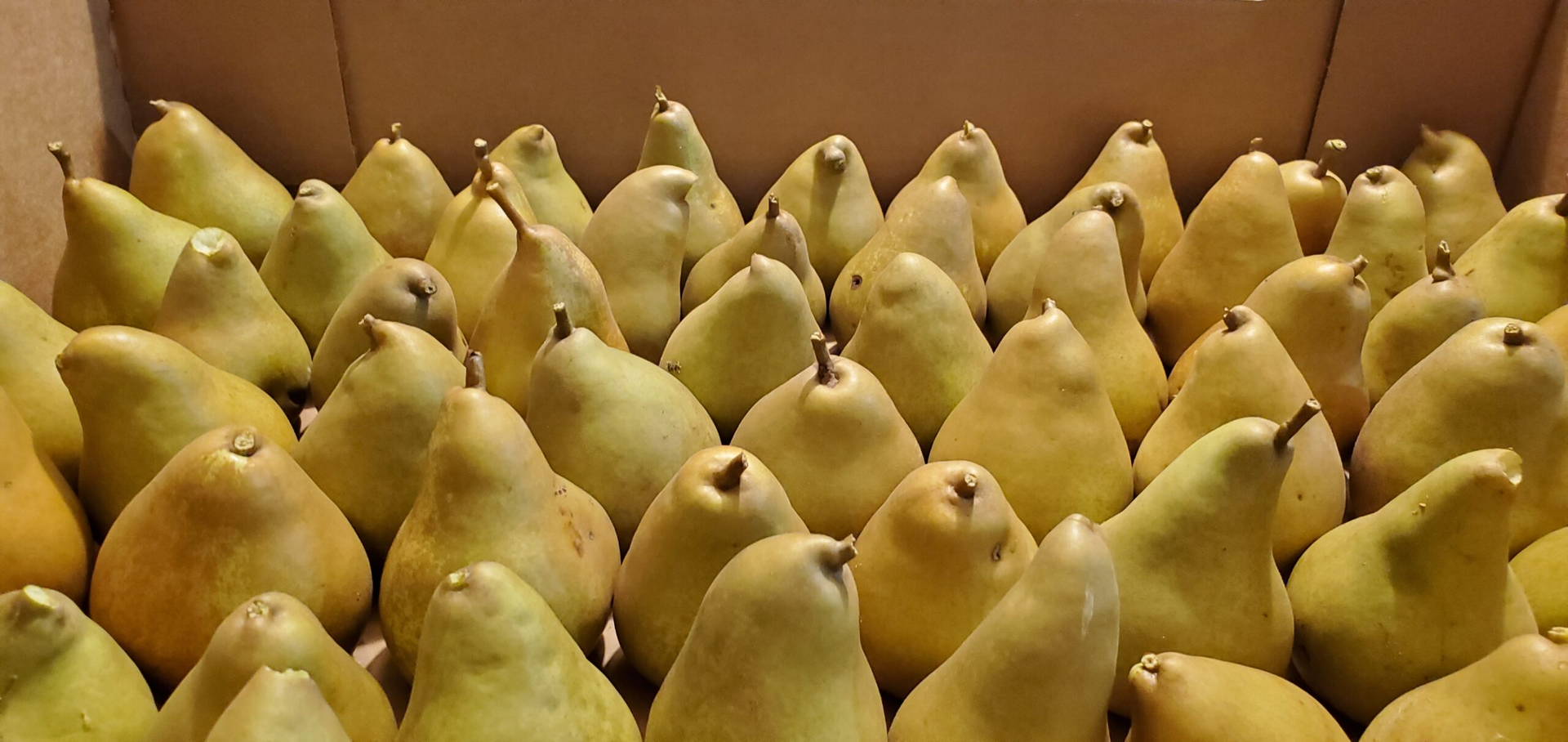
- Pears
- Apricots
- Corneliancherry dogwood
- Nectarine
- Mulberry
- Serviceberry
Fruits Needing a Pollinator
Fruits which require another cultivar for pollination are not self-fertile. In some cases such as the persimmon, you need a male and female tree. This is called dioecious, meaning that the male and female reproductive parts are separate.
- Apples (you can pollinate with a crabapple as well as another apple)
- Plums
- Sweet Cherry - varieties including Bing, Black Tartarian, Rainier, Lapins, Van, Stella, and Sweetheart
- Pawpaw
- Persimmon (Dioecious)
- Honeyberry
Planning for Pests and Diseases
The location and layout of your orchard will make a big difference in its ability to fight off pests and diseases. Also, picking fruits and cultivars which are bred for disease and pest resistance will help. But there can be a trade-off in fruit quality and flavor. Many of both pests and diseases are host specific, and will not attack multiple different fruits, with some exceptions.
Insect Pests
There are so many insects pests of fruit, yet many are not catastrophic in terms of their damage to fruit. For example, the fruit speck fly only causes surface damage to apples, which can be peeled or washed off. But on the other hand, the Japanese beetle will eat a peach or plum to the pit while it is hanging on the tree. You have to be careful which battle to pick. Of course, if you are market gardening, then you want perfect fruits, and may need to alter your pest management plan to include pesticides.
I am an organic and pesticide free gardener, so that is how I recommend things. But there is benefit to some pesticides if used correctly, and not abused. But those situations should mainly be for those who are selling at markets of stores, not the home gardener. And yet, there are some organic options for the market gardener too.
Destructive Orchard Insects
These are some of the more destructive pests you may have to deal with in the orchard.
- Japanese beetle - they eat nearly everything, but prefer apples, peaches, cherries, and plums. So far, pears seem to be immune to them. Trapping, netting, and ducks are the best defenses against them in the orchard. If you can run ducks out through pastures and orchards from late May to mid July, they will keep down the beetle populations.
- Spotted Wing Drosophila - is a small fruit fly which lays its eggs in soft fruit, or damaged fruit causing browning and sunken lesions in the fruit. It mainly attacks soft fruits such as strawberries, raspberries, blackberries, blueberries, grapes, plums, and cherries. Floating row covers and insect netting can prevent infestations. Regular picking of fruit is also recommended to keep populations in check.
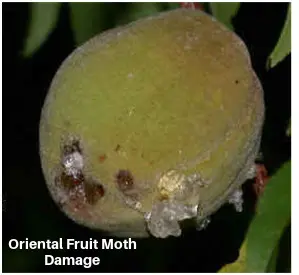
- Oriental Fruit Moth - is an invasive pest from Asia, whose larvae feed not only on the shoots of fruit trees (causing flagging and wilting) but on the fruit causing deformation and gummy sap buildup on the outside. I have seen this damage on peaches in our orchards at Grimm's Gardens. Control is mostly pesticides, but the home gardener can encourage a parasitoid braconid wasp, Macrocentrus ancylivorus, which is a native insect, by planting herbs and flowers around the orchard. The wasp parasitizes the caterpillar.
- Plum Curculio - is a weevil which attacks all tree fruits, by laying a egg in the fruit, with a crescent-shaped scar. The larvae bore into the fruit, creating galleries and tunnels in the flesh. Prevention is done with an insecticide application timed at petal fall on apples and shuck-split on plums and peaches. But I have not found major damage on my fruit, so likely there are some natural predators which are unknown to researchers.
- Apple Maggot - is a native fruit fly which lays its eggs on the developing fruit of apples. The egg hatches and the larvae then burrow in causing deformation, pitting, and wormy-brown spots. It can best be controlled by natural predatory insects, and the use of red sticky-ball traps.
Minor Orchard Insects
There are a host of other insect pests which are considered minor by the amount of destructive damage they cause. Many of these have natural predators, which can be attracted by planting herbs and flowering annuals and perennials around the orchard.
- Aphids
- Borers
- Mites
- Scale
- Sawflies
- Eastern tent caterpillar
- Fall webworm
- Green June beetle
- Red-banded leafroller
- Green fruitworm moth
- Leafhoppers
Diseases
Managing diseases can be quite a bit different than managing insects. Diseases are typically host specific, meaning that an apple disease will not attack cherry or plum. But there are several fruits in the Genus Prunus (peach, nectarine, cherry, plum) which may share diseases. There are 2 keys to success to managing diseases in the home orchard - timing and plant selection. The other factors: wind, rain, and temperature; are out of our control.
Plant Selections for Disease Resistance
Choosing the right variety or cultivar of fruit is one of the keys to preventing disease outbreaks. In the selection and breeding of fruit varieties, growers over the centuries have selected for taste, quality, size, hardiness, and disease-resistance. But with today's influx of invasive pests from all over the world, more and more breeders are looking for disease and pest resistance. The following varieties of fruit are considered fairly disease resistant to the worst of the diseases (and are good tasting).
- Pear - are generally pest and disease free.
- Apple - Granny Smith, Red Delicious, Sweet Sixteen, Winesap, Wolf River,
- Apricot - are generally disease free
- Cherry - most cherries are relatively disease free
- Peach - Frost, Indian Free
Common Diseases
Each disease has its own cycle and cure or prevention. But they are mostly host-specific. Besides planting disease resistant cultivars of fruits, placement in the orchard is important to limiting disease pressure. Planting trees where there can be some air movement, and in full sun will limit air and water borne-diseases. And mulching or planting cover crops and perennials underneath will limit soil-borne diseases.
Diseases of Apple & Pear
- Apple Scab
- Cedar-Apple Rust
- Sooty-Blotch
- Powdery Mildew
- Fireblight
Peach Diseases
Diseases of Cherry, Apricot, & Plum
- Black knot
- Powdery mildew
- Alternaria
- Bacterial canker
- Plum pocket
Other Diseases
- Cane blight on brambles
- Blackberry anthracnose
- Mummy berry
- Phomopsis (blueberry)
- Thousand cankers (walnut)
Planning to Maintain the Orchard
Regular upkeep and cleanup of the orchard is a very important part in having fruit trees. There are always various tasks that need to be done. Keeping on top of mulching or planting cover crops, pruning, removing diseased or damaged fruit, and cleaning up after harvest or the end of the year. When it comes to mulching or planting cove crops, make sure you have god source for either material. If you are not planning to plant either cover crops of perennials/herbs/annuals under your trees, then you will need more and more mulch each season. I would recommend using partially composted hay/straw or wood chips as your mulch, with cardboard underneath.
If you are using cover crops, an annual will provide nutrients as it dies down at the end of its season, but a perennial will continue to add benefits. Perennial cover crops include white clover, red clover, and alfalfa. Annual cover crops include crimson clover, alike clover, oats, buckwheat, and annual ryegrass. Or you can plant perennials, annual flowers, and herbs under your trees. These flowering plants will attract beneficial insects into the orchard to help with pest problems.
Pruning
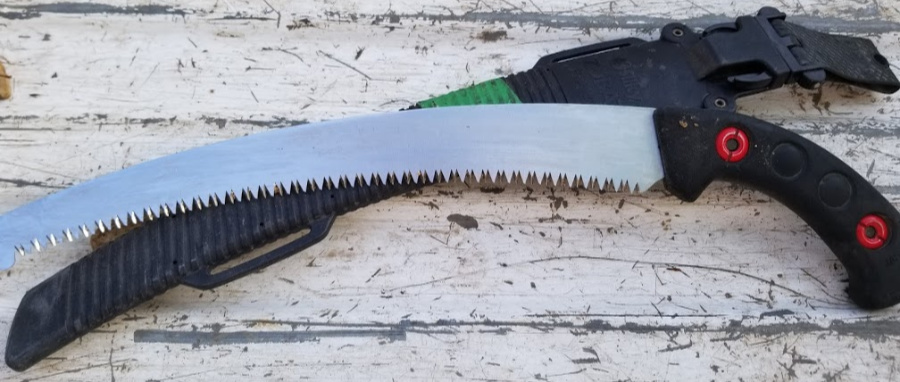
If you are planning to prune your orchard trees yourself, then I would suggest taking a few classes on how to do it. And invest in some proper pruning equipment. I love my Felco #11 hand pruners, and my Silky Japanese-made pruning saw. Also, I really like Milwaukee's power pruners, and power pole saw pruners. I have used these 4 tools whenever I am pruning a fruit tree. Other equipment to think about include:
- A 3 legged orchard ladder
- Leaf rake
- Loppers
- Wheelbarrow
Conclusion
While there are a lot of steps and plans to make when you are putting in an orchard, the rewards will outweigh the work. Speaking of my own experiences, I have had successful harvests of plums, cherries, apples, peaches, and many other fruits from my own orchard. And I will continue to have many more as long as I keep maintaining my fruit plants. I hope all of you can have the same success that I have had.
Happy planting!