MAY
May Gardening Tips & Monthly Plant Care Guide
May is one of the best months at Grimm's Gardens! The garden bursts to life with old-fashioned favorites like peonies, irises, mockorange, and all the flowers mom loves are in full bloom. Pollinators are back too, with bees and butterflies buzzing from bloom to bloom. May also brings plenty of gardening tasks: with cleanup and pruning mostly behind you, it’s time to focus on planting, maintaining, and enjoying your garden.
The Lawn in May
You may have heard about “no mow May” which originated in Minnesota to allow pollinators to utilize native and nonnative plants growing in the lawn. Mays in Minnesota are typically cooler than in Kansas, but we practice this too, at least, partially. If you do not mow during the month of May, the lawn may become impossible to mow when you get to June, so if you have alternative lawn, then this idea might be for you.
If you have a traditional lawn, apply a slow-release fertilizer on bluegrass and fescue lawns. If you are not regularly watering, you can skip this application. If you have not yet sprayed for broadleaf weeds, wait until September when treatment will be more effective.
Keep your mower blades sharp, ensuring to sharpen them at least once every 3 to 4 cuts and make sure to mow to proper lengths: Zoysia at 1-2 inches in height and Bluegrass/Fescue ~ 3 inches.
Zoysia and bermudagrass lawns can benefit by verticutting or core aerating which will reduce thatch. Now is the time to fertilize zoysia, bermuda, or buffalograss lawns with nitrogen to promote green up and summer growth.
If possible, avoid early watering to encourage deeper root growth that will improve drought tolerance during the heat of summer.
In the Vegetable Garden
Once danger of frost has passed, (May 5th for most of Northeast Kansas and Southeast Nebraska).
- Plant warm-season transplants outside. These include tomatoes, peppers, eggplant, okra, annual flowers, and herbs.
- You can seed warm season crops directly into the ground in rows or blocks, such as: sweet corn, cucumbers, melons, squash, beans, okra, and sweet potato
- Do succession plantings of potatoes, spunach, carrots, beets, and turnips. They can continue growing through the warmer months for a later harvest.
- Harvest spinach, lettuces, brassicas (broccoli, cauliflower, cabbage) beets, and turnips now.
- Harvest asparagus until spears become small and spindly.
- Begin harvesting rhubarb by pulling stalks from the ground
- Fertilize garden with calcium for a continued harvest.
- Plant herbs and annual flowers throughout your vegetable garden to increase pollinator activity and reduce pest pressure.
- Keep an eye out for pests like cabbage worms in your brassicas. You can dust them with diatomaceous earth or cover them with insect netting to keep the moths off.
Fruit Trees in May
Once fruit trees finish blooming, you can spray them with an insecticide (Spinosad is best for organic gardens) to prevent insect damage to young fruit. Most insect pests lay eggs on the young setting fruit, which then hatch and burrow into the developing fruits. Insect damage is worst on peach, cherry, plum, apricot, and apple. Pears are usually pest free.
Apples, peaches, and plums should be thinned when they have heavy fruit set. Remove fruit until there is 1 fruit every 4 to 6 inches. These will be bigger and ripen quicker once excess fruit is gone. Plant annuals and herbs around your orchard or fruit trees to encourage beneficial insects.
Perennial and Annual Flower Care
Fertilize Roses: Fertilize again in mid to late May with a rose formulated fertilizer or fish emulsion can be used to keep them vibrant with color.
Deadhead Roses: Older floribunda or hybrid tea roses may benefit from deadheading. Shrub roses do not need to be deadheaded.
Cut Early-Blooming Flowers for Indoor Arrangements: A variety of flowers are ready to be enjoyed such as Bearded iris, Herbaceous peony, Siberian iris, Baptisia, Cornflower, Allium, Bleeding Hearts, Columbine, Daffodils, Tulips, and Coreopsis
Add fertilizer to your garden unless you already applied compost or biochar to your beds in March or April. If you did not apply these, use a slow-release fertilizer for continued feeding.
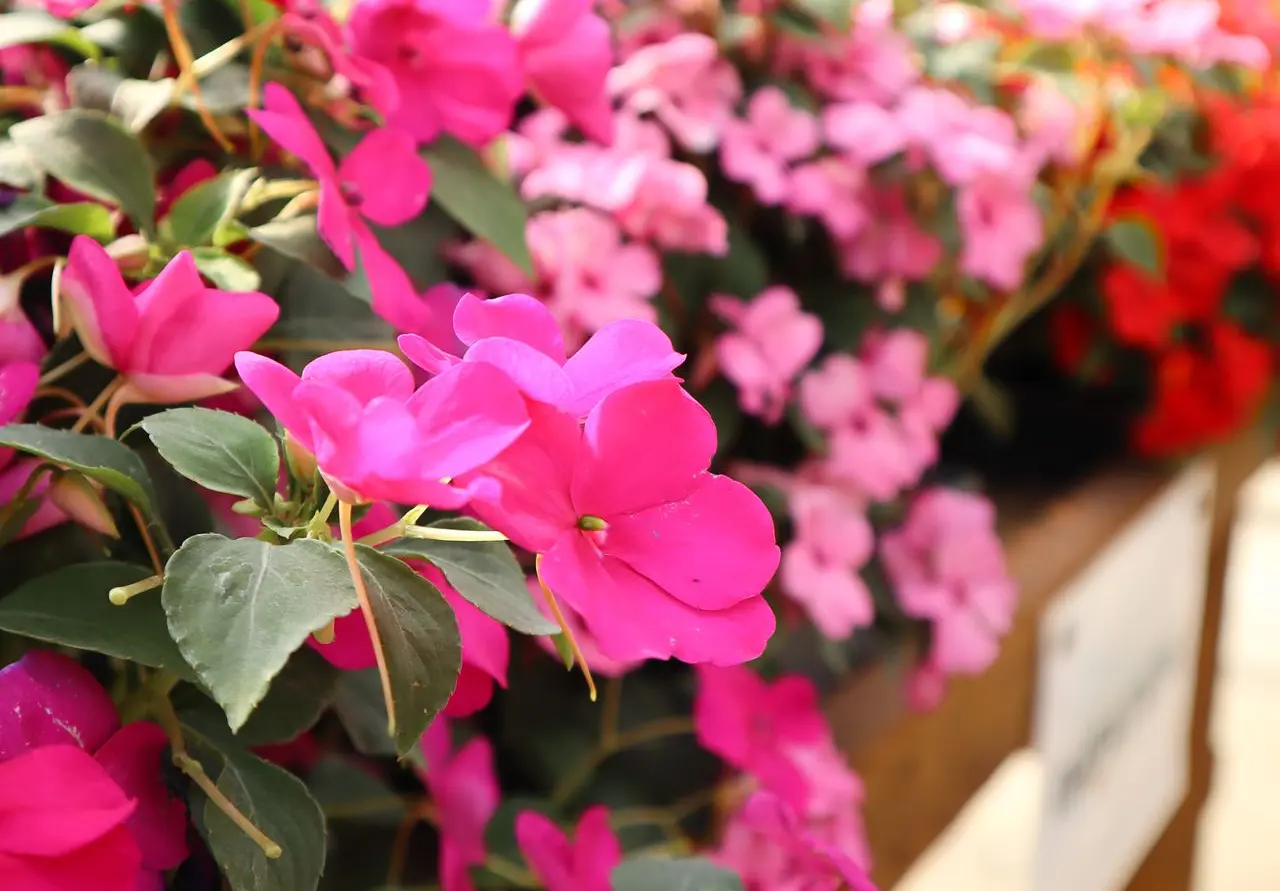
Plant Annual Flowers: You've waited all year for this moment, now is the time to go crazy with blooms! Freshen up your landscape beds, window boxes and containers with annual flowers. Proven Winners has a huge line of wonderful annual flowers for a variety of spaces in the garden. Plant summer bulbs like cannas, dahlias, gladiolus, elephant ears and lilies for summer interest.
Track Garden Progress: Keep notes on planting, performance, and ideas for future improvements.
Apply Mulch: For any ground plantings, remove last years' mulch and any debris to the compost pile.
Manage Pests: Keep an eye out for any unwanted pests like slugs. Apply slug bait to protect Hostas and other susceptible plants.
Trees and Shrubs
- Continue to plant new trees and shrubs. “You can plant a tree anytime, as long as you take care of it” – The Kansas Gardener
- Prepare for upcoming pests like Japanese beetles that will be emerging at the end of the month. Set up traps and barrels now for them. If you have extremely sensitive plants such as roses or grapes, cover these with insect netting during June and into July to prevent the worst beetle damage.
- Protect your lilacs against ash and lilac borer. If you are protecting Japanese tree lilacs, you can use tree wrap from the base to the first branch of the trunk.
- Treat for Emerald Ash Borer. This is a service we provide for local customers, so call us if you're interested in this service!