When August hits, cicadas and the annoying sounds they emit become the focus of many who live in the country or have large trees in their landscapes. But did you know that many cicadas emerge before August? Yes, if you have transformed your garden into a pollinator and insect paradise, you stand a great chance of hearing these insects from May to October. As I do.
What are Cicadas?
Are they an overgrown grasshopper or katydid? What type of insect are they? Despite often being referred to as locusts, they are not in the same family as grasshoppers and katydids. They are actually true bugs, more closely related to aphids and leafhoppers than true locusts.
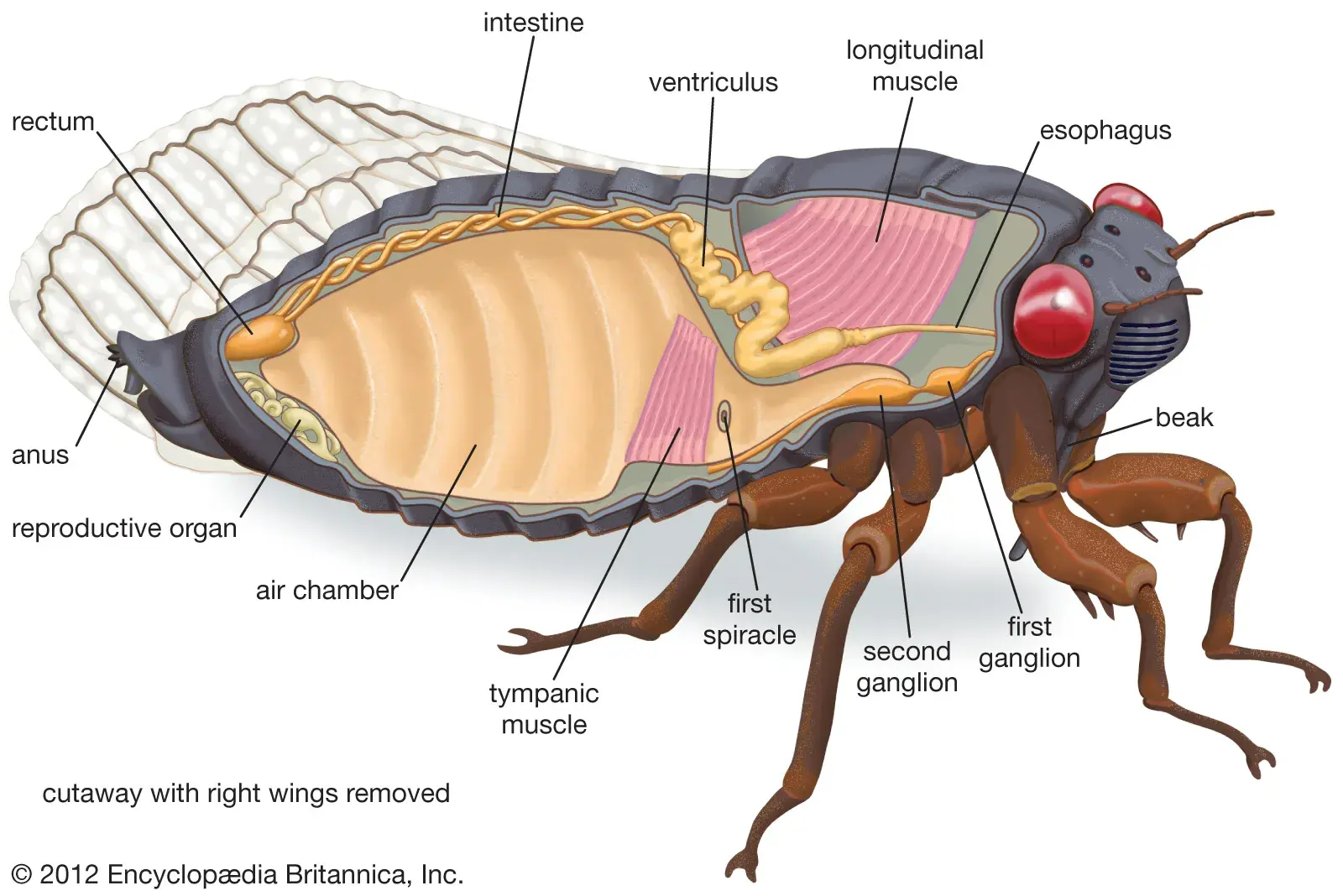
Because they are true bugs, they have a long rostrum, often called a beak, which they use to pierce a tree's root surface, then suck out their food. When it is not used, the rostrum is tucked under the body.
Life Cycle
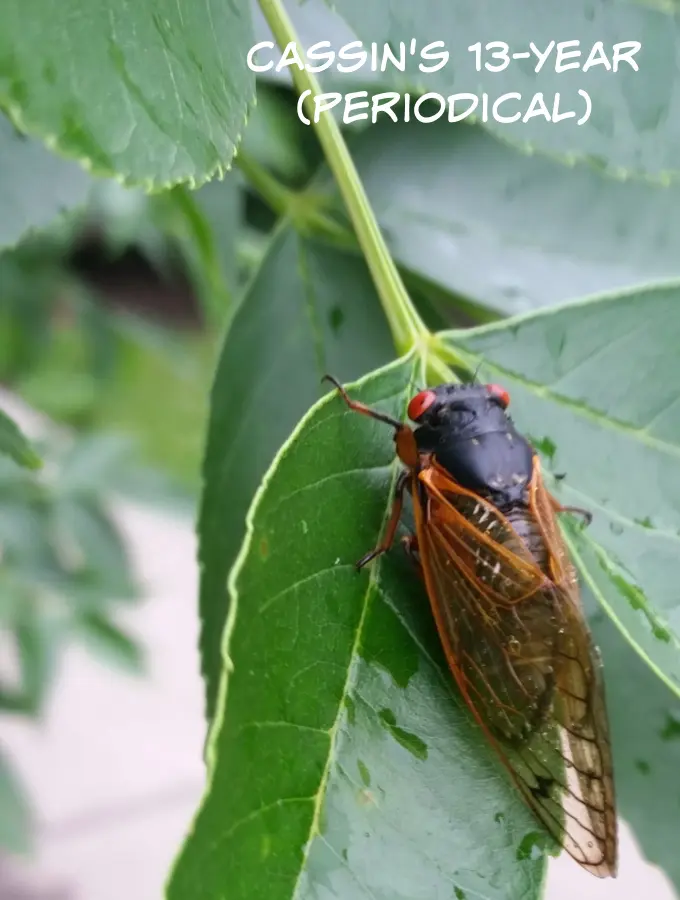
The cicadas most heard about in the news are the periodical cicadas which emerge every 13 or 17 years. These cicadas can come out in huge numbers, and cause a mess or damage during egg laying, not to mention the noise they emit.
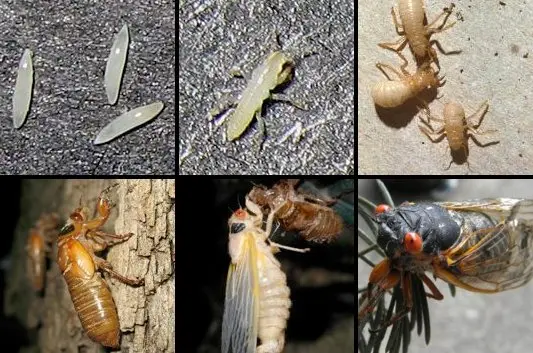
Adult females lay eggs into slits made in tree branches, usually on the current year's growth. After the eggs hatch, the nymph drops to the ground and burrows down to the tree's roots, where it feeds in the xylem of the root bundle.
Annual cicadas feed and complete their growth in 1 season, while periodical cicadas may take 13 to 17 years depending on species. Entomologists are still uncertain as to why they spend so long underground, but it probably has to do with developmental abilities (it can be hard to get nutrients from xylem) and because that is how God created them in the first place. Each thing has its season and time.
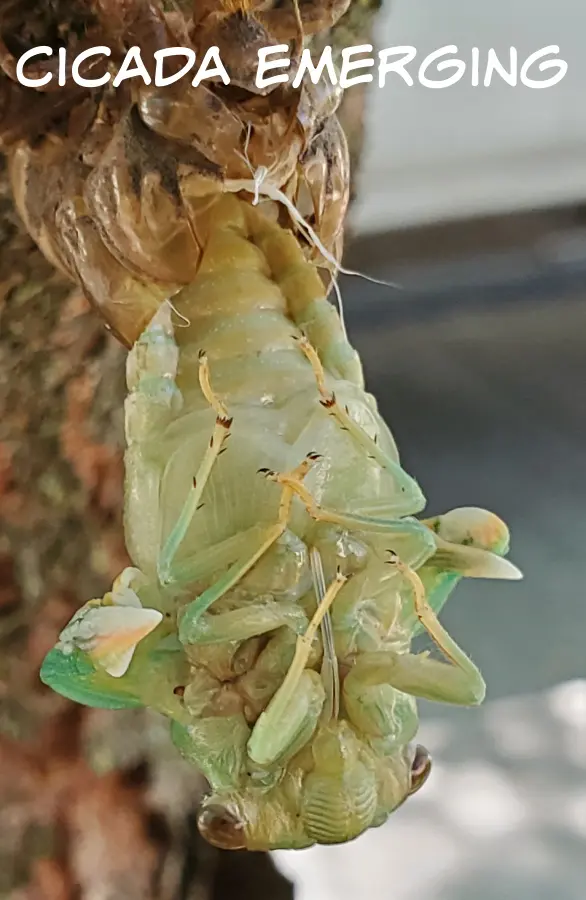
After feeding for their required time, the nymph emerges from the ground, and crawls up whatever is handy to make its final molt. Usually they do their final molt on trees, but it could be anything. Because they do not have complete metamorphosis, their is no pupa stage. After the final molt, they are adults, and ready for mating.
What is with all the Noise?
What we hear from the adult male cicadas is a series of clickings made to attract a female for mating. The female only makes very quiet clicks to let a male know where she is.
Males cicadas make these noises with tymbals - a specialized, drum-like organ located on the side of its abdomen. They beat these tymbals at roughly 300 to 400 times per second, creating the loud buzzing or whining noise we hear. It can be between 100 and 200 decibels, which is the same as chainsaws, motorcycles, and rock concerts. All of which are Very Loud/Hazardous.
What do They Feed on?
Here in the Central Great Plains region, we have several species of cicadas, but only 2 species of the periodical types. Cassin's 13-year and Cassin's 17-year cicadas are the only periodical types we have. We do have several species of annual cicada, including Lyric, Scissor Grinder, Plains Dog-Day, Walker's Annual, and Bush.
All cicada nymphs feed on the roots of trees. The following is a list of trees preferred by them, in order of preference.
- Oaks
- Hickory
- Apple
- Ash
- Pines
- Maple
- Elm
- Redcedar
- Willow
- Dogwood
What Can We do About Them?
There is nothing to do about them, unless you want to start collecting and eating them. There are people across Asia, Africa, and even North America who eat them, considering them similar in taste to buttery shrimp.
But I think I will hold off on eating them. They do have a number of natural predators, including birds, bats, squirrels, raccoons, coyotes, snakes, turtles, spiders, predatory wasps, and even your house cat!
Conclusion
Cicadas are a part of our life, especially if you are not treating trees with harsh chemicals. They can and do make a lot of noise, but we eventually get used to it, and there's nothing we can do anyway short of putting on ear protection.
Happy planting!