The honeybee is one of the most well-known and iconic insects on earth. Especially here in the United States and among gardeners of all types. The honeybee is recognized for its importance as a pollinator, a producer of honey, and for its colony lifestyle. Most schoolchildren know something about it and most adults have formed opinions on it. But I have a case against it, at least, as the state insect of Kansas.
Do not get me wrong here, I think honeybees are important for gardeners and agriculture as a part of the whole picture. But they should not be the state insect of Kansas. When I think of Kansas, I think of home, because it is my home. But I do not think of honeybees first. Kansas is represented by the tallgrass prairie, fields of wheat & corn, sunflowers, art, windmills, lakes, history, and bison. And all the state symbols help those views, except the honeybee. Everything else, animal-wise, is native to the state.
Importance of the Honeybee
Sure it is important. 15 other states besides Kansas have the honeybee as their state insect. The rest of the state, except for Connecticut (European Praying Mantis) have native insects as their state insect. And several of the 15 have shared status with native insects, mostly butterflies.
Nationally, honeybees produce $15 billion in revenue for pollination services, honey, beeswax, propolis, and pollen. And in Kansas in 2023, the total economic value of honeybee related services and products amounted to $1.4 million. A drop in the bucket really. Compared to other Kansas crops, honeybees are ranked around the same as sunflowers, but trail vastly behind wheat, corn, cattle, hogs, oil, hay, and even lumber.
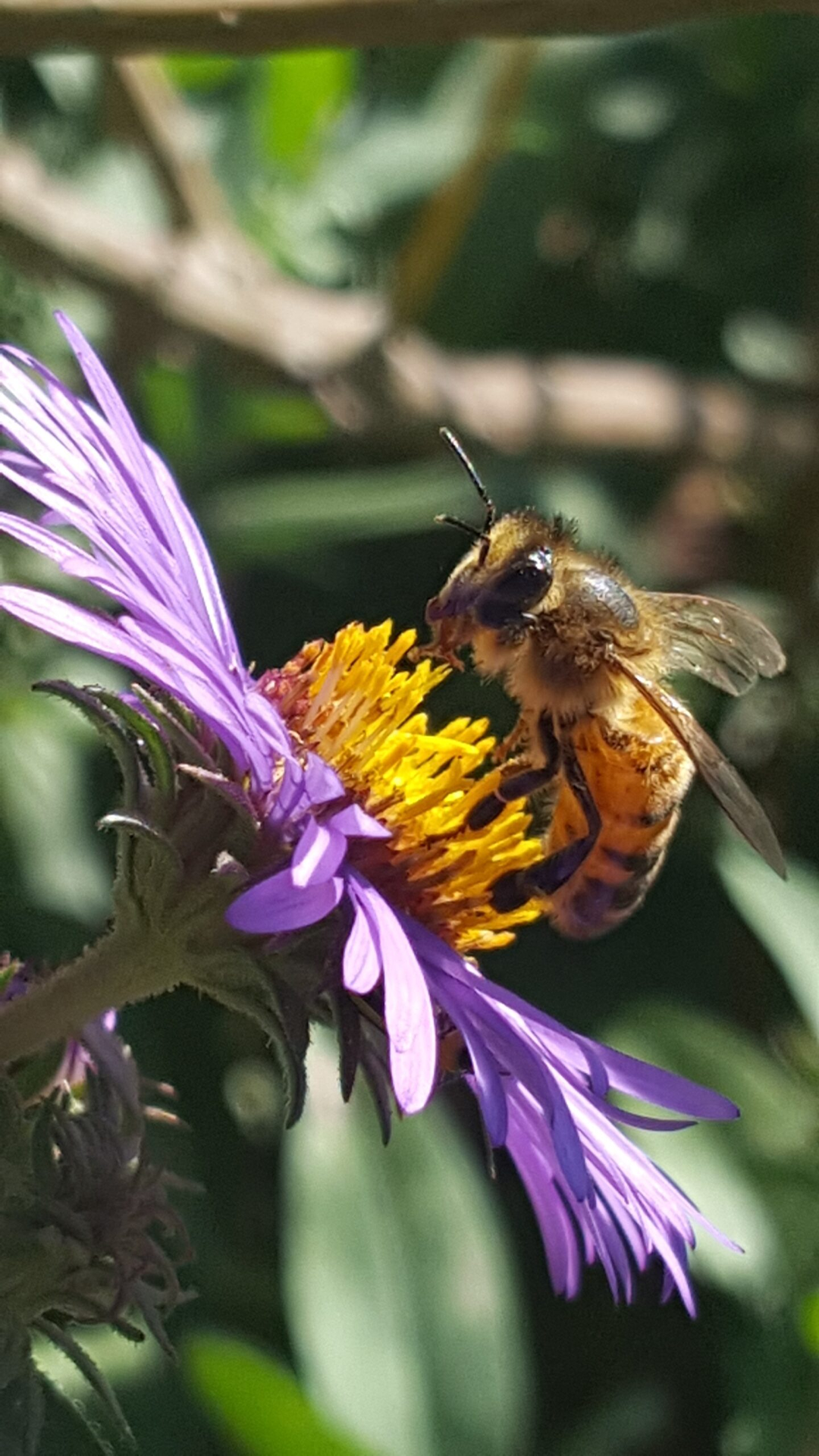
Pollination Services
What does that mean? Well, what happens is that some beekeepers load up their hive on semi trailers and drive them across the county to pollinate different crops. These crops include almonds, blueberries, apples, cherries, avocados, and strawberries. And few of these are grown commercially in Kansas. So even if the money comes back to Kansas, the bees are benefitting other states more. And there is a lot of death transporting bees across state lines.
Honeybees do pollinate a lot of things, but they are not as good a pollinator as our native bees. However, native bees cannot be farmed and moved around in the same way.
Products
Honey is the most wide-known product of the honeybee. It terms of use, it can and is used as a sweetener, medicine, as a moisturizer, added into shampoo and conditioner, and many other products. Beeswax is used in cosmetics, lotion, candles, furniture polish, crayons, cheese & fruit coatings, rust preventative, reusable wraps for food storage, many other products.
What Should the State Insect of Kansas be, if not the Honeybee?
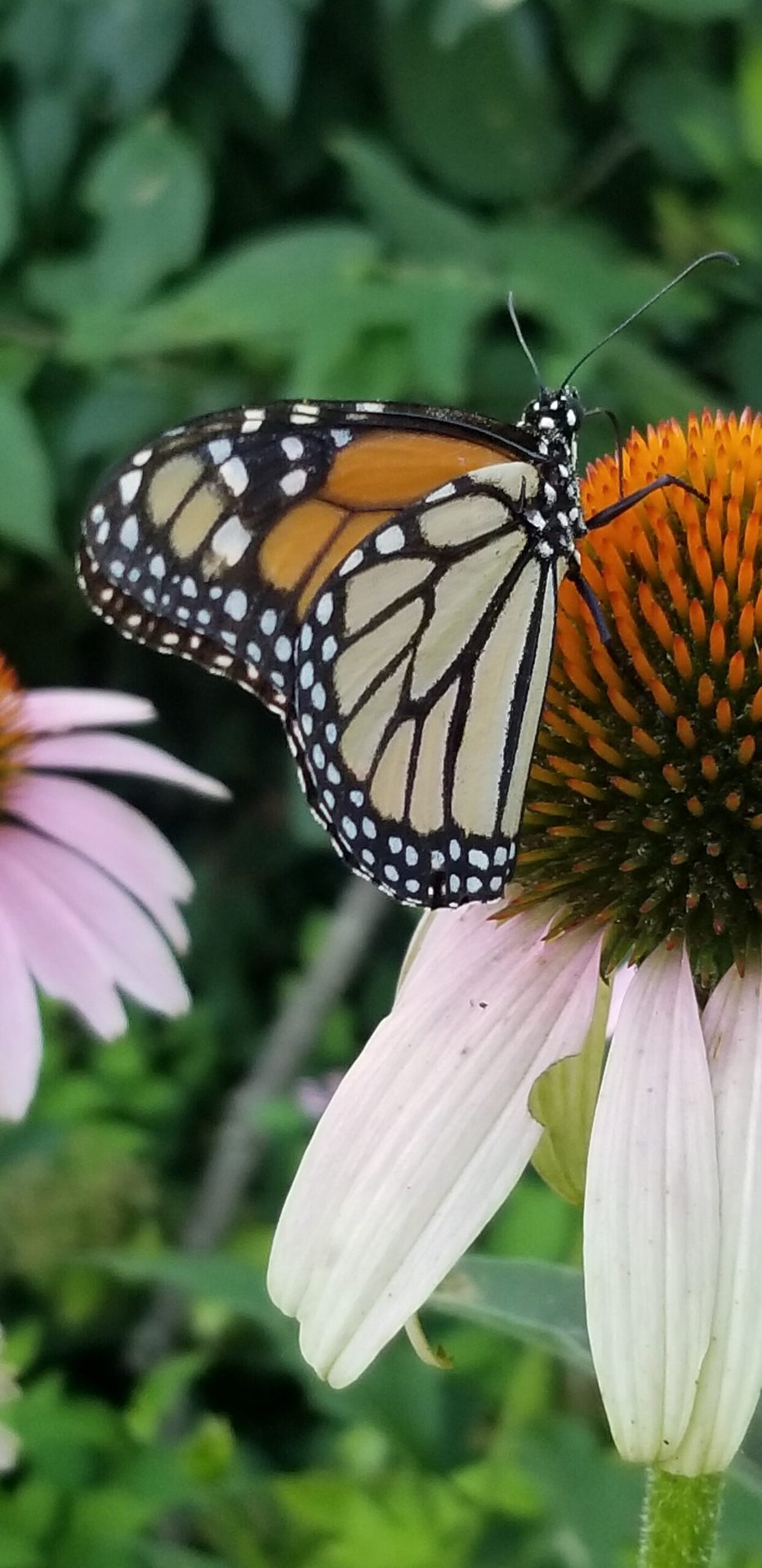
Well, there are some options that I think would be better than the honeybee. Now, we could do the Monarch butterfly. It is one of the most iconic insects in North America and certainly would be recognized by the people of the state. With the founder of Monarch Watch, Chip Taylor from Kansas University, we have a lot to do with this royal butterfly. 6 other states currently have the Monarch as their state insect.
But maybe we should think more about the complex diversity of Kansas. Yes, we are primarily an agricultural state. But one of the things which tops the list in that category is not the honeybee, but cattle. Kansas usually comes in 3rd in top production of cattle. And while a lot of that comes from feedlots, especially in Southwest Kansas, we are also a prairie state.
As you go across the state from east to west, you will traverse different kinds of prairies. Starting with the tallgrass prairies, then mixed-grass prairie, then shortgrass prairie. We are home to several prairie preserves including the Tallgrass National Prairie Preserve, Konza Biological Station, Cimarron National Grassland, and Big Basin Prairie Reserve. Plus hundreds of state parks and lakes which have large swaths of native prairie. So maybe we should be focusing on an insect from the prairie.
Prairie Insects to Consider...
Now, what insect(s) come to your mind when you think of the prairie? Grasshoppers maybe? Dragonflies? It all depends on your experience with the prairie. If you have hiked extensively or spent any time with the Kansas Native Plant Society, then you would know just how diverse the prairie can be. It is much more than grasshoppers.
Any number of insects could be picked from our prairies to be the state insect:
- Plains Lubber Grasshopper
- Great Spangled Fritillary
- Regal Fritillary
- Two-Striped Grasshopper
- Bush Cicada
- Huron Skipper
- Plains Clubtail
- Silver Spotted Skipper
- Dainty Sulphur Butterfly
- Salt Marsh Moth
And there could be so many more options. Our prairies are very biodiverse with the large number of native plant species and the insects which they support/rely on. But only one stands out to me, other than the Monarch.
My Choice (if Asked)
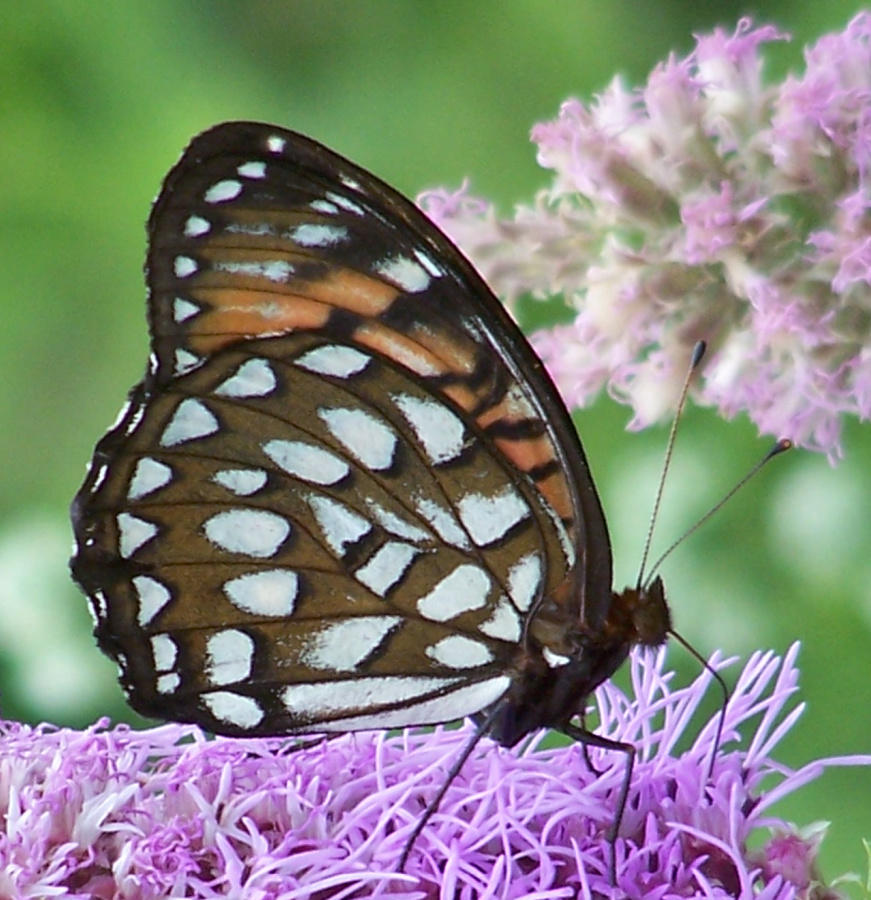
I would choose the Regal Fritillary butterfly. And I know many others who would support this choice. Unlike the Monarch and the honeybee, the Regal Fritillary is not the state insect for any other state. This special butterfly is known to be a prairie specialist, meaning that is only survives in high quality prairies. Occasionally someone will one outside of a prairie setting, but those were likely blown of course by a wind event.
The reason for their living in the prairie is due to the food source for their caterpillars. While it is true that they eat violets, they seem to be focused primarily on jut a few prairie species if violet. Mainly, the Bird's foot violet, blue prairie violet, and Nuttall's violet. Where these grow, you find the Regal Fritillary. The adult butterflies nectar on a wide range of native flowers, including milkweeds, thistle, coneflowers, blazing-stars, goldenrods, asters, and more; plus dung of bison and other herbivores.
The Regal Fritillary was featured on the 2020 quarter for the Tallgrass Prairie National Preserve edition. With bright orange, black, and white markings, this butterfly stands out just as much as the Monarch, and still needs just as much protection. It is a Threatened Species, not quite to Endangered, but about where the Monarch is in terms of importance to the prairies. I vote for the Regal Fritillary.
Conclusion
No matter whether you are an advocate for the honeybee or not, you can see my point in wanting something more regional for the state insect of Kansas. I would rather a native insect which has a threatened status be revered than a non-native agricultural product. It really does not matter at this point, there is no discussion on removing the honeybee, but it is an interesting topic to discuss.
Happy planting!