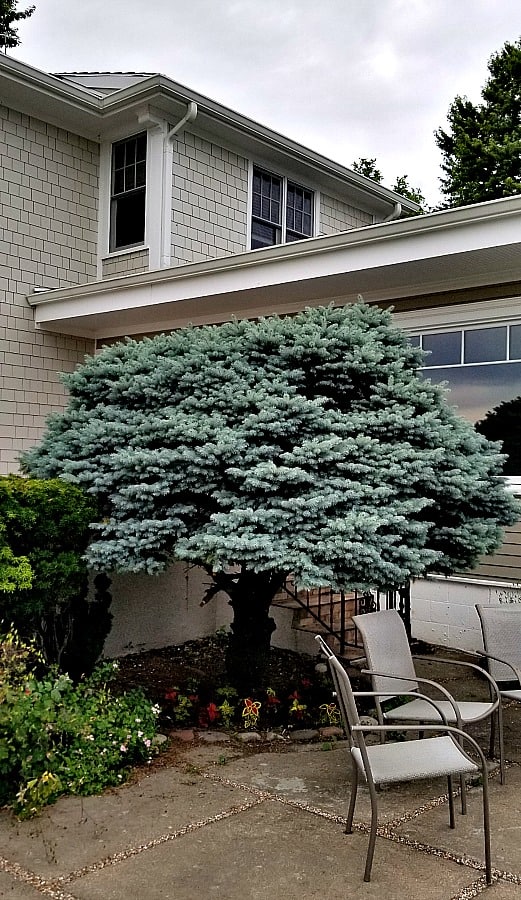
Nearly every customer I help at the Garden Center wants a small tree. Usually, they are not thinking “ornamental” tree, just something that does not require a lot of work to maintain, something that will fit into a small corner of their landscape, or something that will not affect power lines or the roof. While there are new trees to the market every season, often the best answer to their search is a shrub on standard.
What is a shrub on standard?
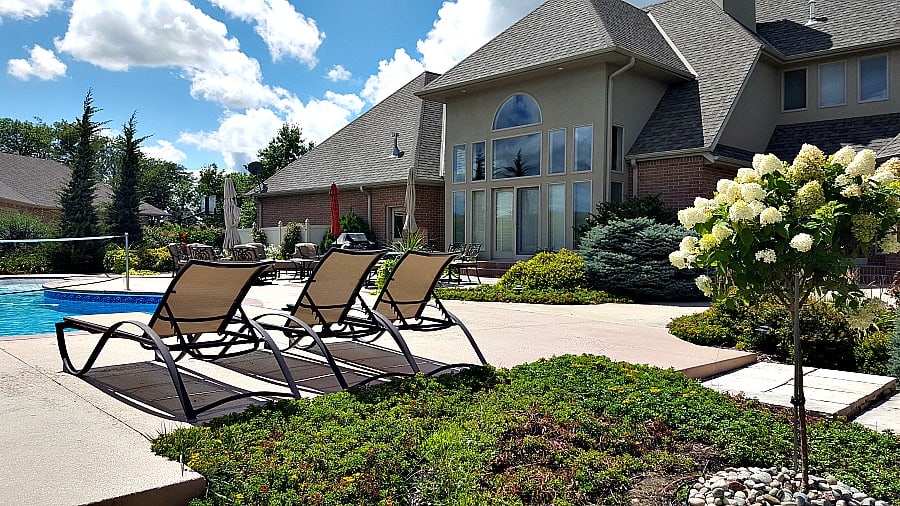
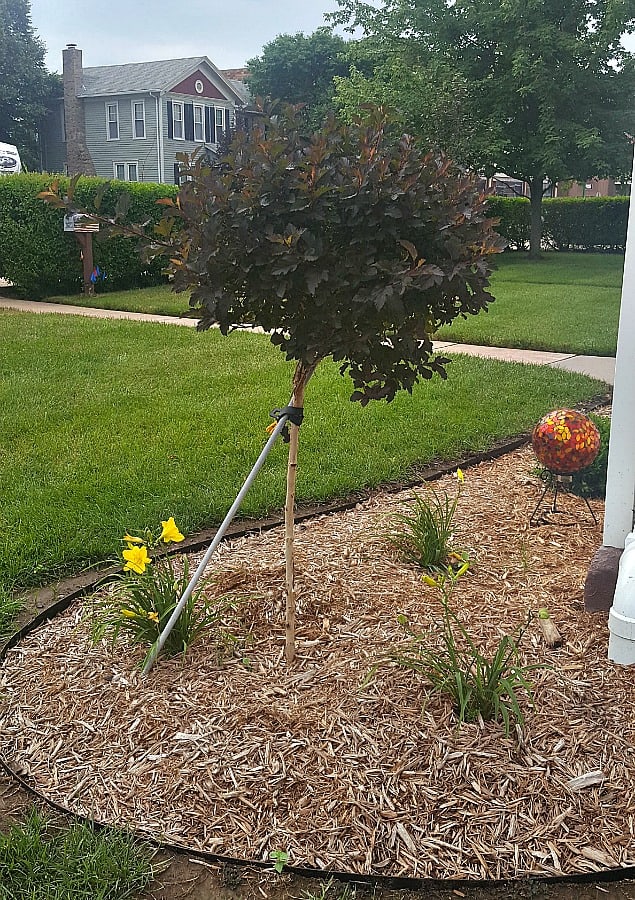
What is a shrub on standard? We generally call them lilac trees, or ninebark trees, or Rose-of-Sharon trees, the list goes on. What they actually are is a shrub that has been grown with a central stem (a standard) and all side branches removed to make a small, sturdy trunk, then a cultivar grafted to the top with the desired flowering characteristics. They come in lots of varieties and look like lollipops.
Where should I plant shrub tree?
Where can we plant these? Shrubs on standard should not be placed in all places. Remember Right Plant in the Right Place. This should be the number 1 design idea for ALL gardeners. Because these “trees” are not true trees with tree root systems and trunks, they will need protection from wind.
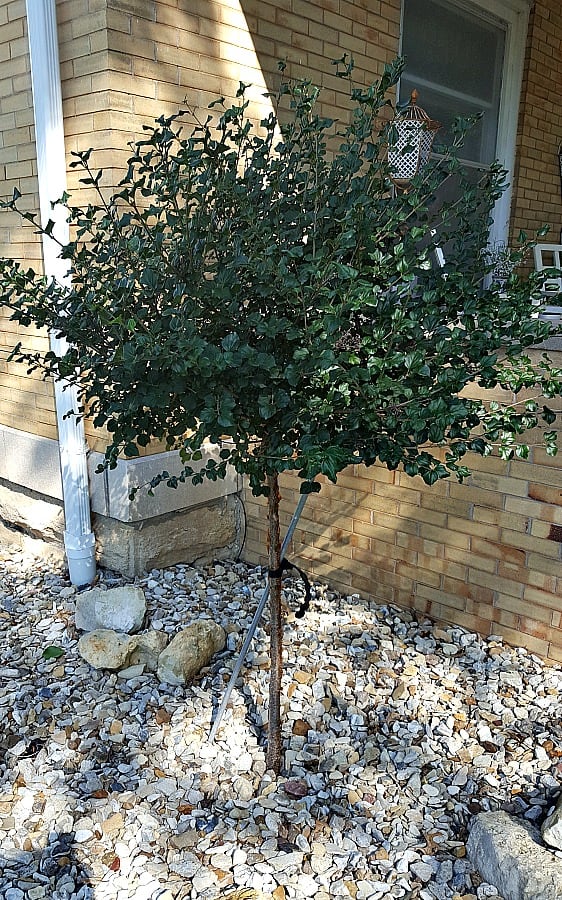
Many of them will be staked their entire life. One of the biggest downsides to these “trees” is their ability to snap off in a windstorm at the graft union.

Why would I plant a shrub tree?
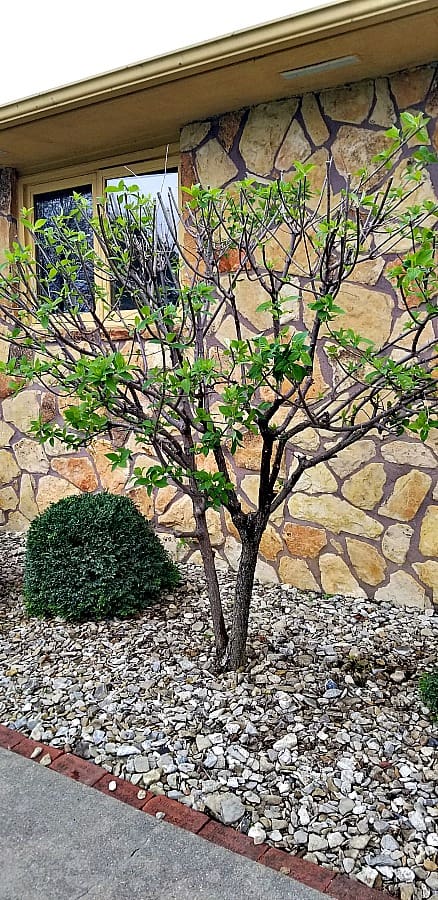
Do I want one? The answer is YES. While it is true they are not as sturdy as any tree, they can go where many trees can and should not be planted, such as near building and walls, in tight corners, and near walkways, without the fears of branch drop or roots pushing up sidewalks.
Which shrub tree is the best for my yard?
Which one do I choose? There is a multitude of these “trees” on the market, and new ones come out every year. With the help of a Landscape Designer, Master Gardener, or Horticulturalist, you can decide which one best fits your needs or your landscape. Each species usually has several cultivars.
For example, Ninebark “trees” could be ‘Diablo’, ‘Summer Wine’, or ‘Amber Jubilee‘. This is just a variation between vigor, leaf color, fall color, and bloom color. It is the same with “tree” hydrangeas, spruces, Rose-of-Sharon, lilacs, or even viburnums.
How do I maintain a shrub tree?
What about maintenance? While these “trees” do not require the amount of specialized care that larger trees need, they do require some annual pruning to maintain their shape and size. Since shrub tops grow faster than their trunks, they need to be pruned to keep from toppling over.
These shrub trees will have the same disease and insect problems as their counterparts in the shrub realm. Check out some of our other publications to learn about these issues.
When should I prune hydrangea and ninebark trees?
“Tree” hydrangeas should be pruned back in the spring to prevent overgrowth and crowding of the tops. Ninebark “trees” should be pruned and thinned out regularly to prevent a lopsided look.

Check out our selection of shrubs on standard at Grimm’s Gardens in Hiawatha or Nebraska City.